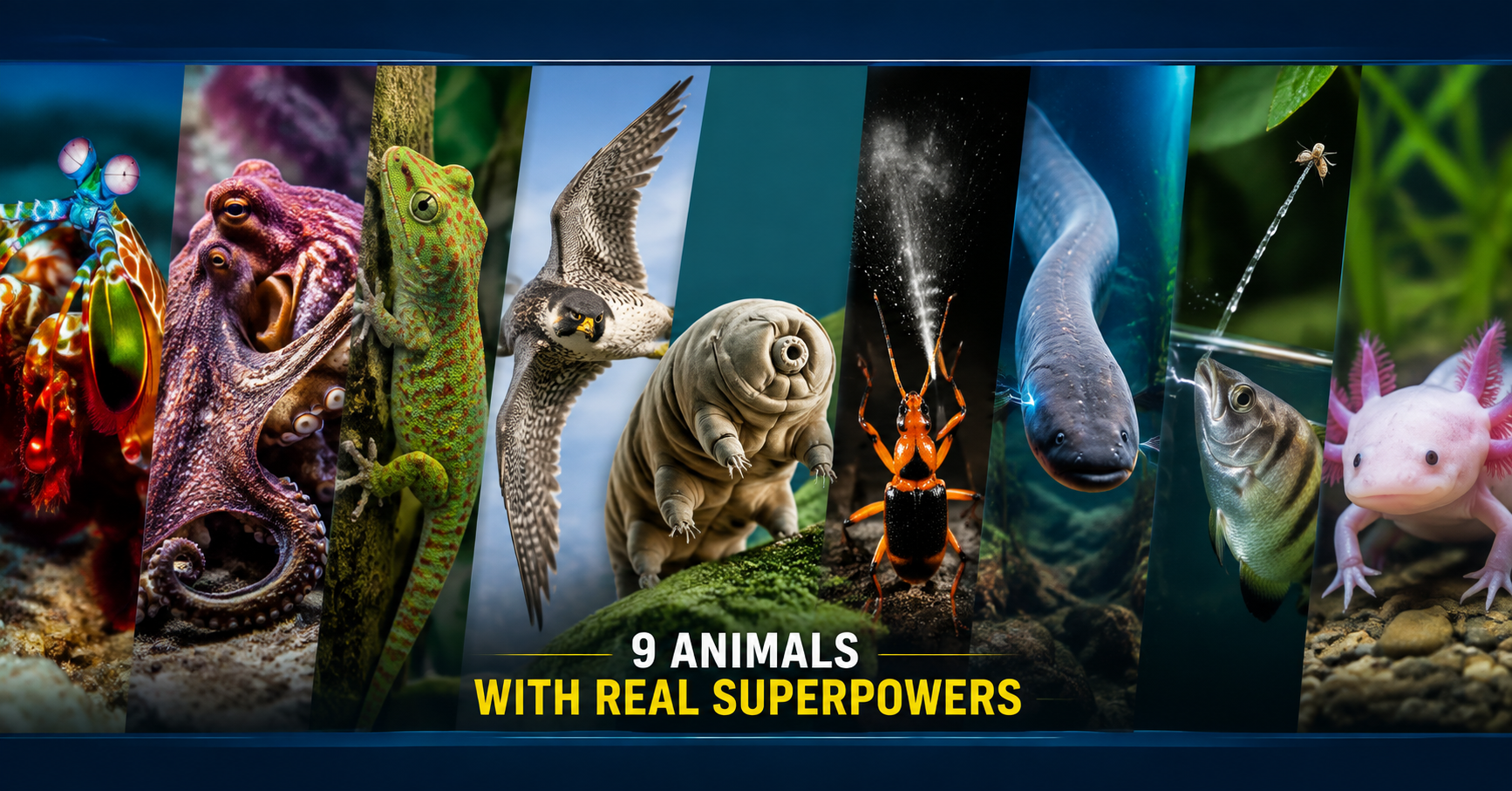
Evolution has had a long time to solve practical problems: finding food, escaping danger, surviving dry spells, and repairing damage. The results can look almost impossible. These animals with real superpowers are not magical; each skill is an animal adaptation built from cells, tissues, physics, and behavior. A closer look at these amazing animal abilities shows both their usefulness and their limits. Their unusual traits help them compete in specific environments, but none removes the ordinary demands of life.
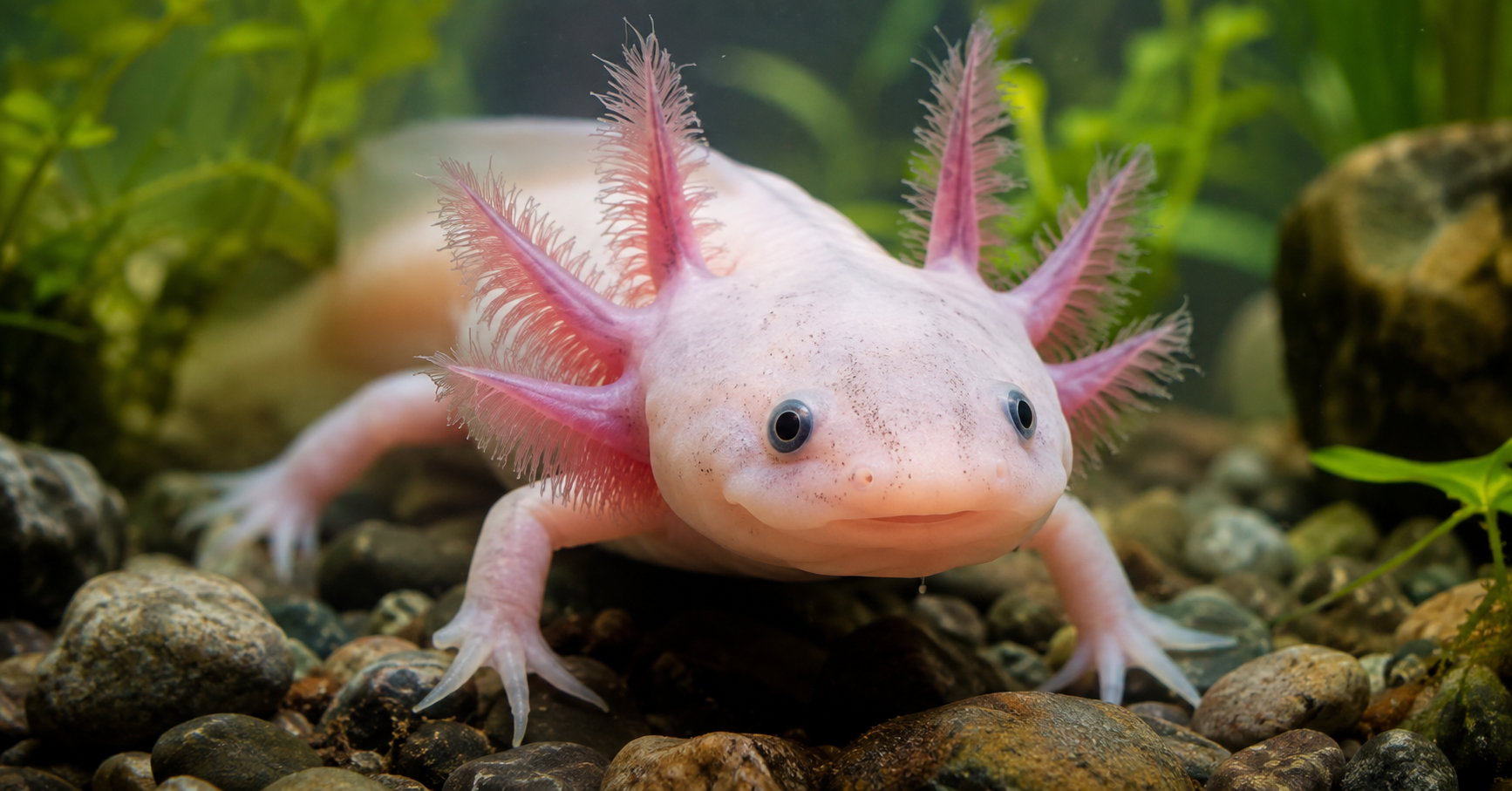
1. Axolotl - The Regeneration Expert
Axolotls are aquatic salamanders that can regrow a lost limb and repair some other tissues. After injury, cells around the wound organize into a blastema that rebuilds missing structures. Scientists study this process for clues about healing. Regrowth is slow and depends on the injury; it does not mean an axolotl can recover from any damage.
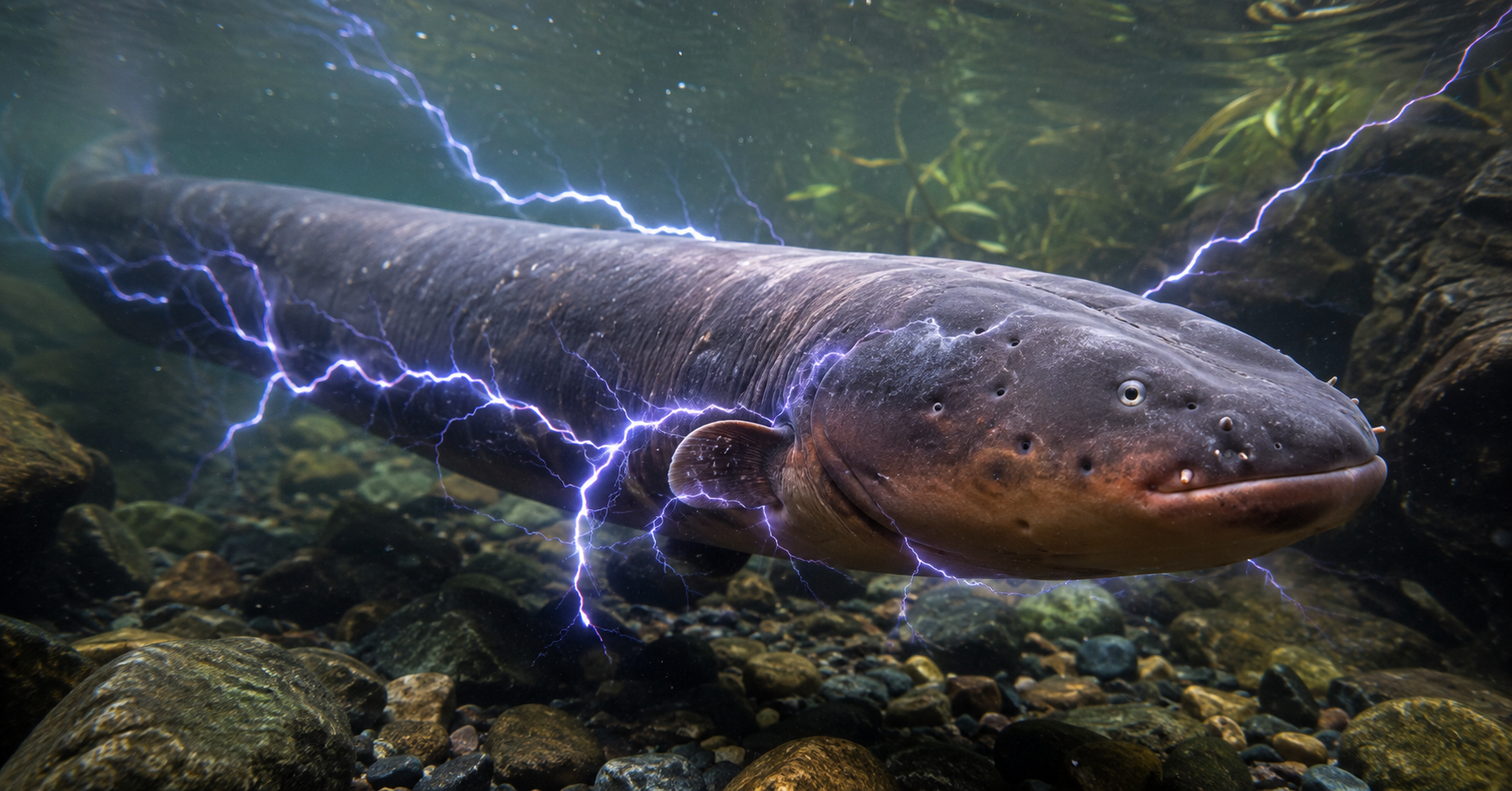
2. Electric Eel - Living Electricity
Electric eels are knifefish, not true eels. Their specialized electric organs contain electrocytes that release pulses into the water. Weak signals aid navigation and communication; stronger bursts can help locate, stun, or deter animals nearby. These fish are not continuously pumping out power: powerful discharges are energetically costly and used in particular situations.
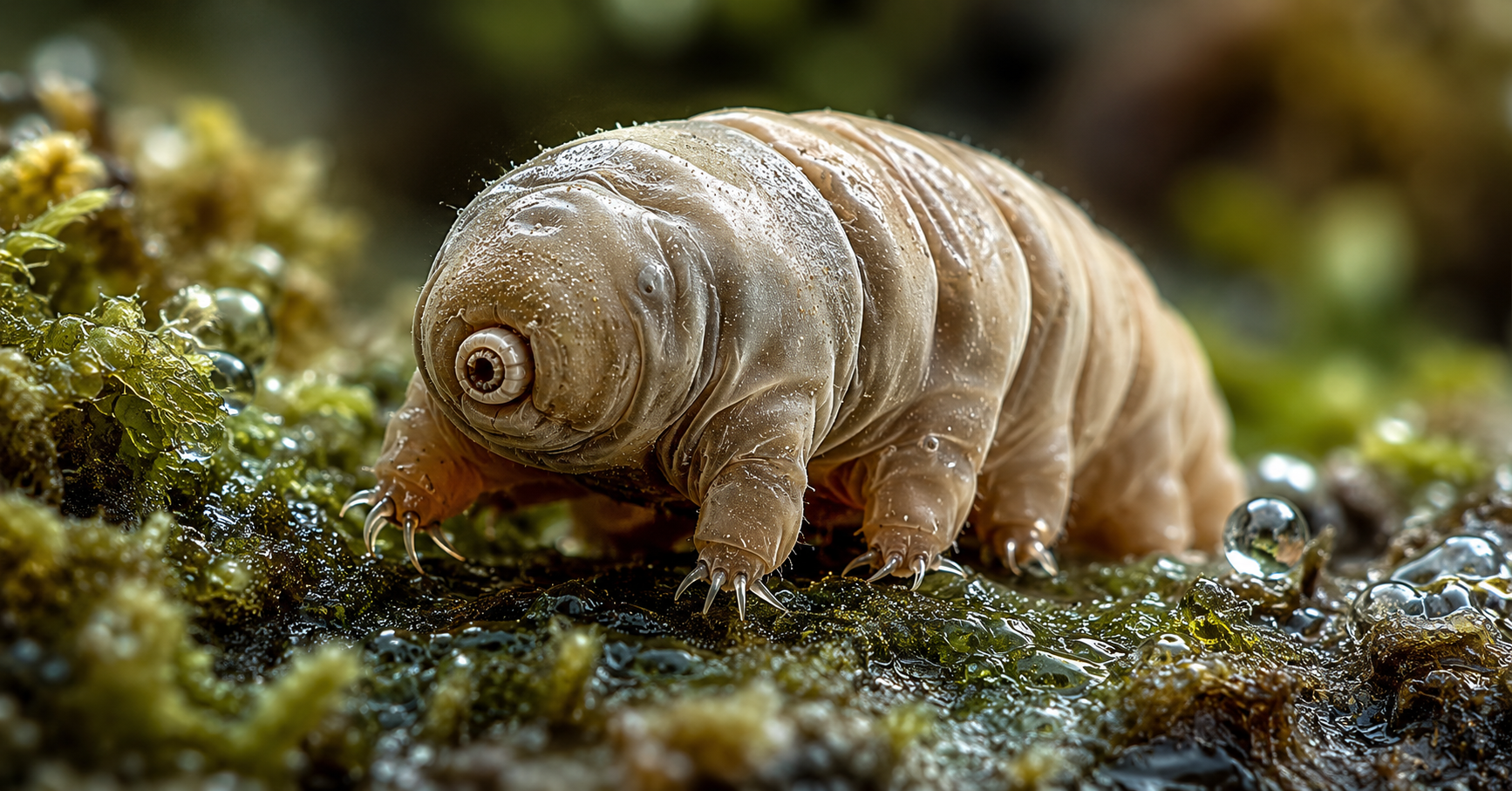
3. Tardigrade - The Ultimate Survivor
Some tardigrades respond to dry conditions by entering cryptobiosis, a reversible dormant state. They curl into a shrunken form called a tun and can wait for better conditions. This helps some species tolerate dryness, cold, pressure, or radiation. Tardigrades are not immortal or indestructible, and active animals still have environmental limits.
4. Gecko - The Wall Climber
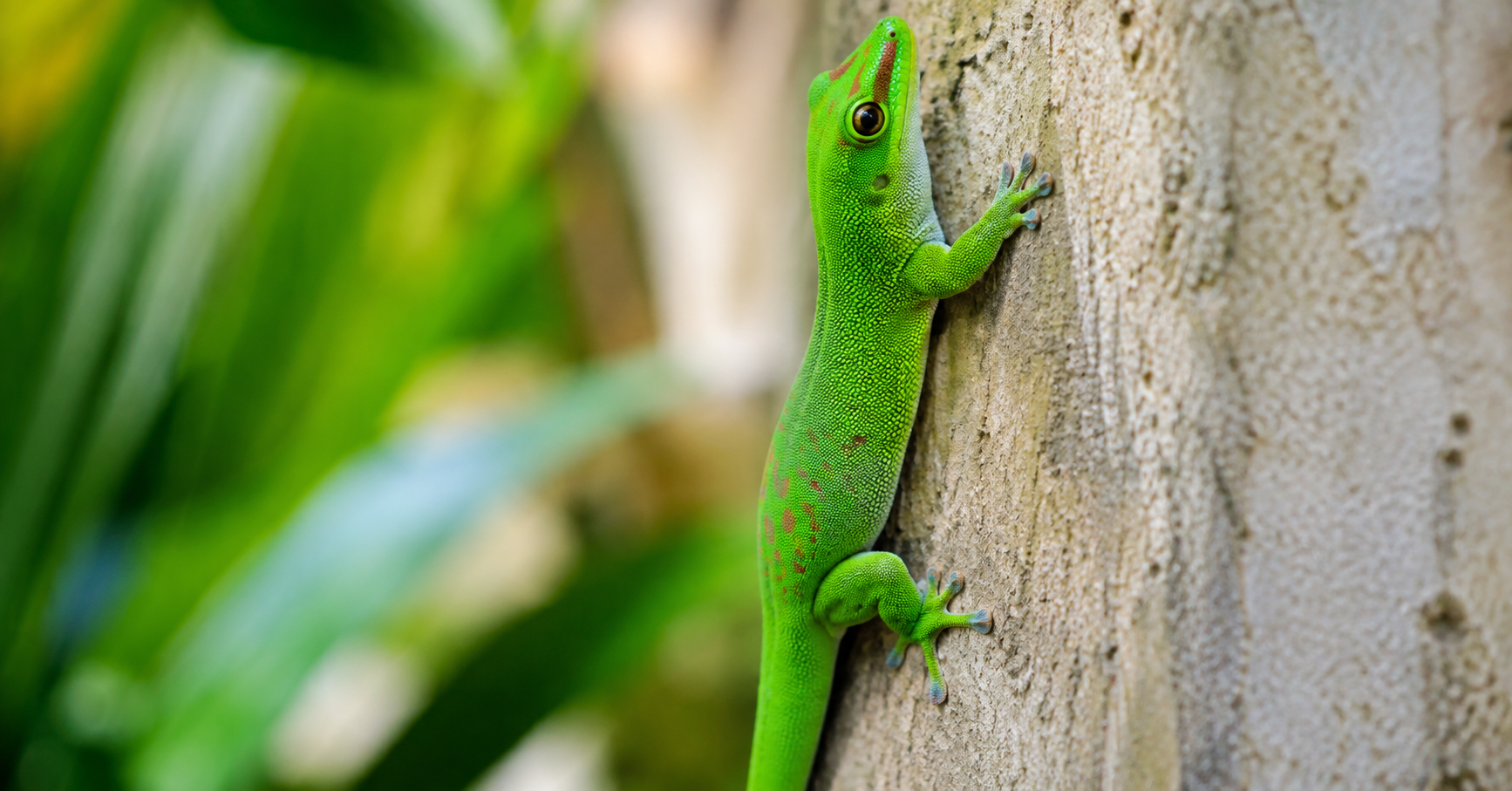
Many geckos climb using toe pads filled with branching microscopic hairs called setae. The hair tips touch a surface closely enough for weak van der Waals forces to add together. This is dry adhesion, not glue. It works best on suitable clean, dry surfaces; no gecko grips every surface.
5. Mantis Shrimp - The Lightning-Fast Puncher
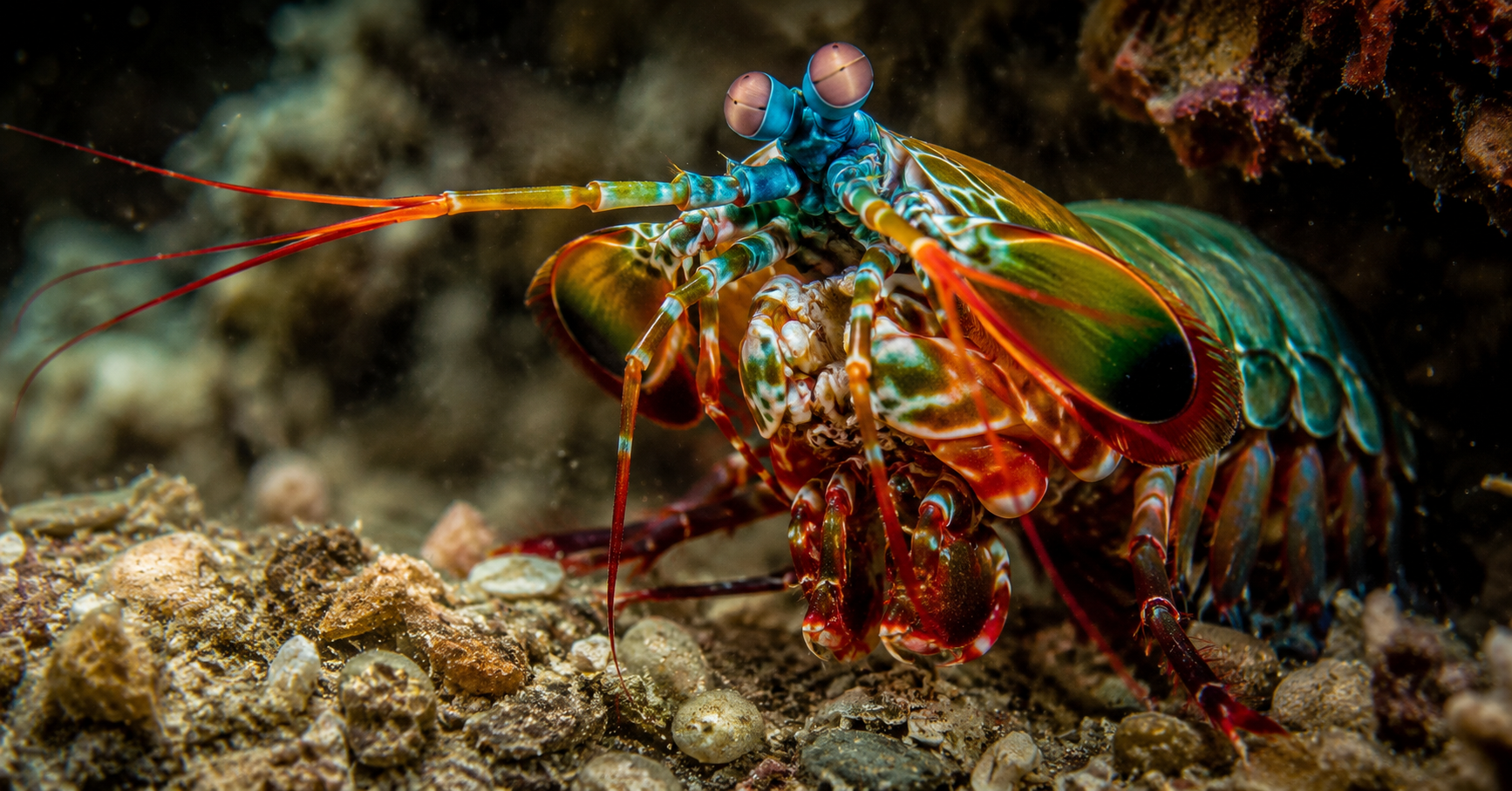
Smashing mantis shrimp hunt hard-shelled prey with club-like raptorial appendages. A latch and spring system stores energy, then releases it so rapidly that muscle alone could not do the job. Fast strikes can create cavitation bubbles whose collapse adds force. Their vision is complex, but claims that they see more colors than people oversimplify it.
6. Bombardier Beetle - Chemical Defense System
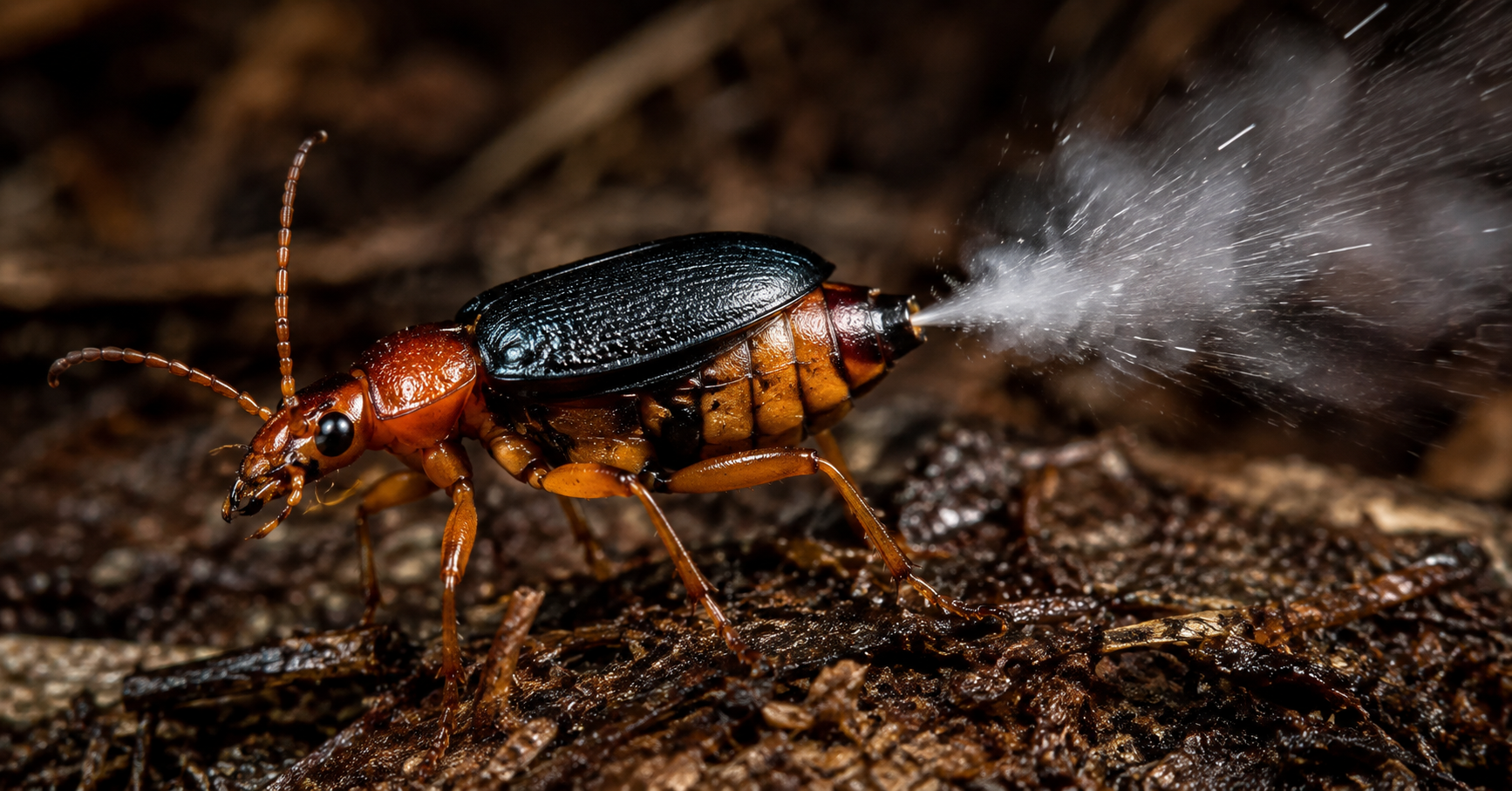
Bombardier beetles store chemicals separately and mix them in a reaction chamber when threatened. The reaction makes a hot, irritating spray aimed at attackers. It is a controlled defense, not a literal explosion. The spray may deter a predator, but it does not make the beetle immune to every threat.
7. Octopus - Master of Disguise
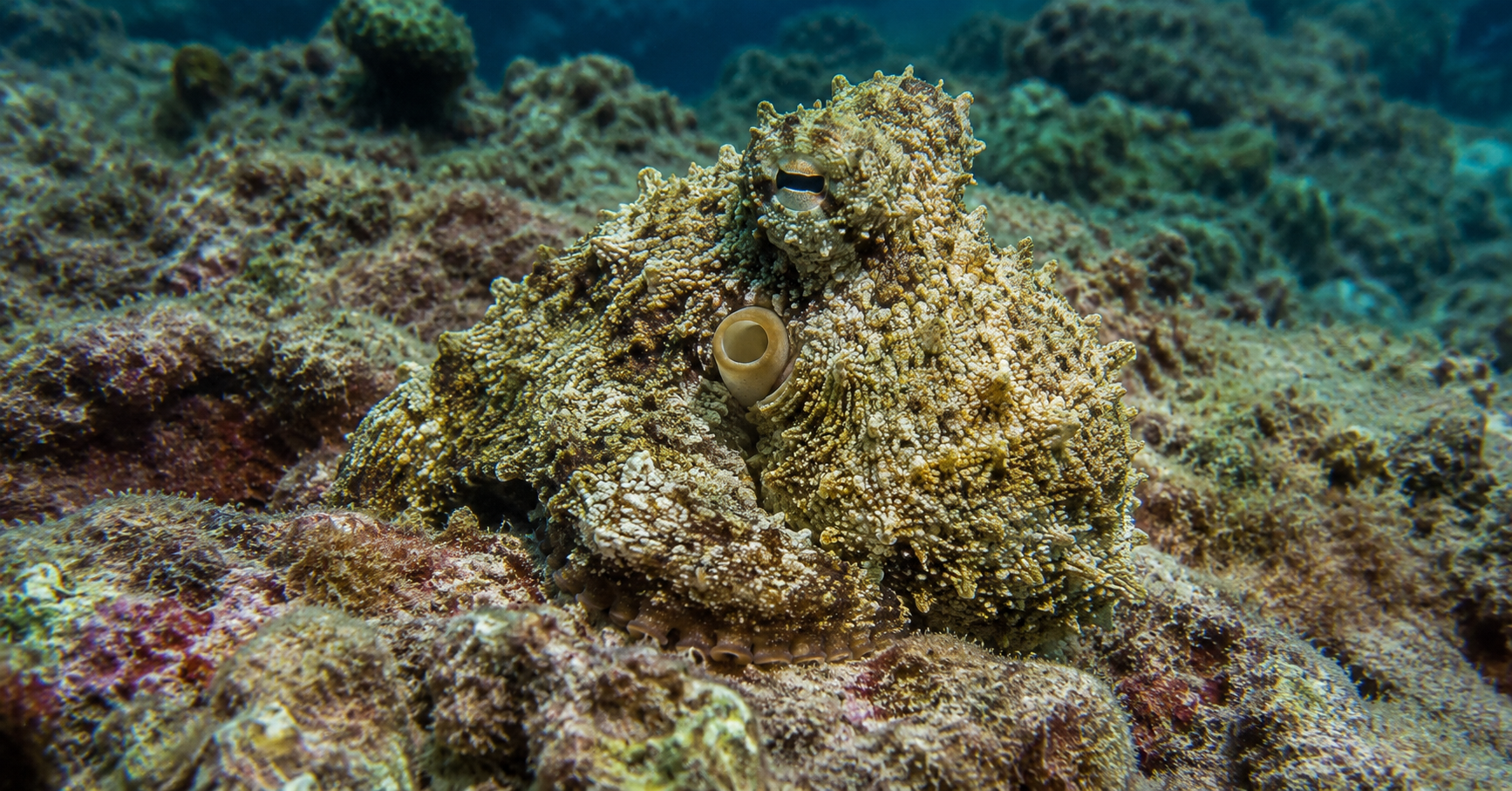
Octopuses change appearance with pigment-filled chromatophores, reflective cells, and raised skin structures called papillae. Together, these adjust color, brightness, pattern, and texture to help the animal hide, hunt, or signal. The result can be effective on a matching background, but an octopus is not invisible and cannot perfectly copy every object.
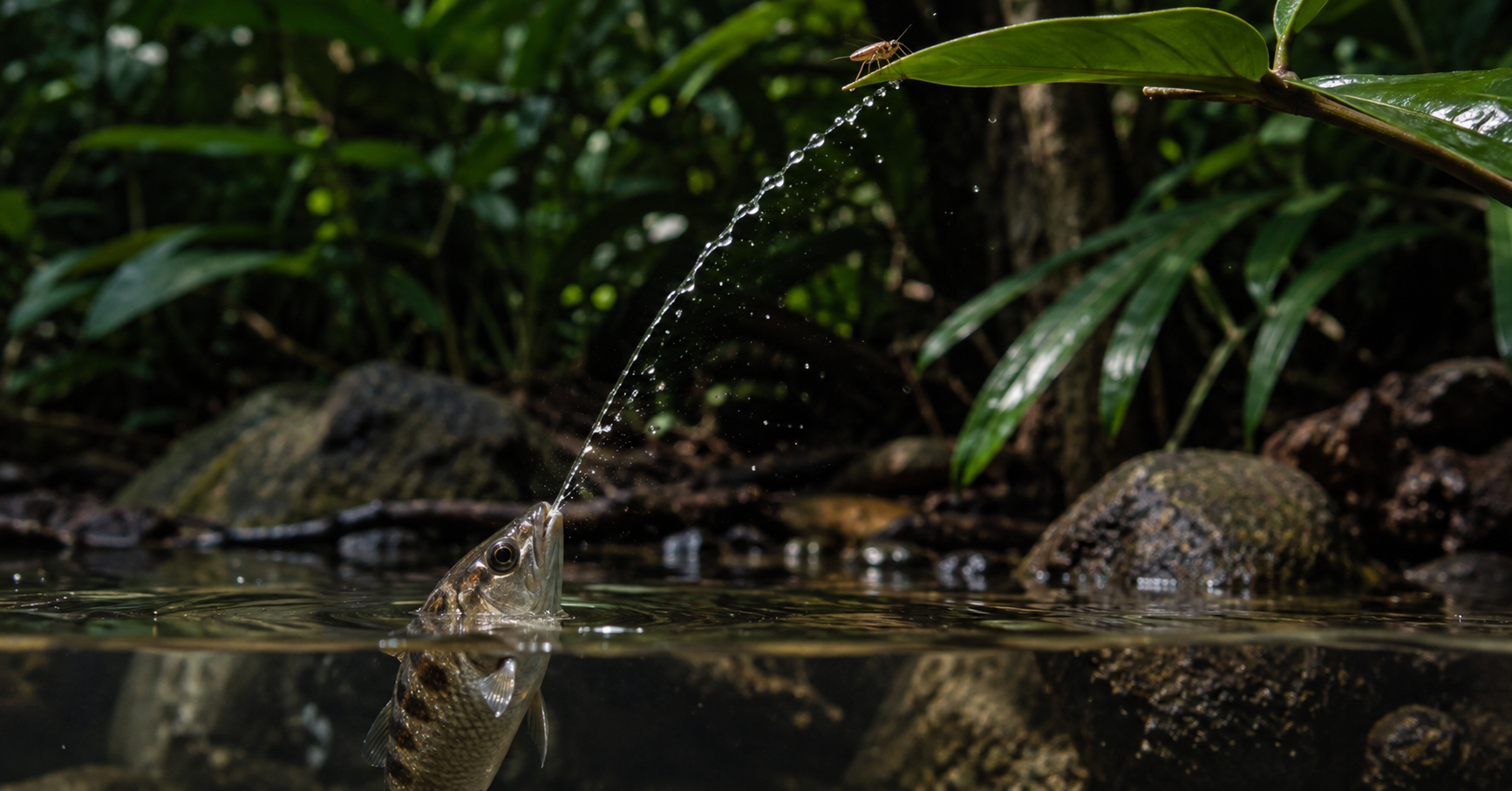
8. Archerfish - The Underwater Sharpshooter
Archerfish wait below the surface and shoot a focused jet of water at insects above it. The impact can knock prey down, and the fish races to the landing point. Aiming is tricky because light bends at the air-water boundary, changing the target's apparent position. Experiments show archerfish can adjust their shots as conditions change.
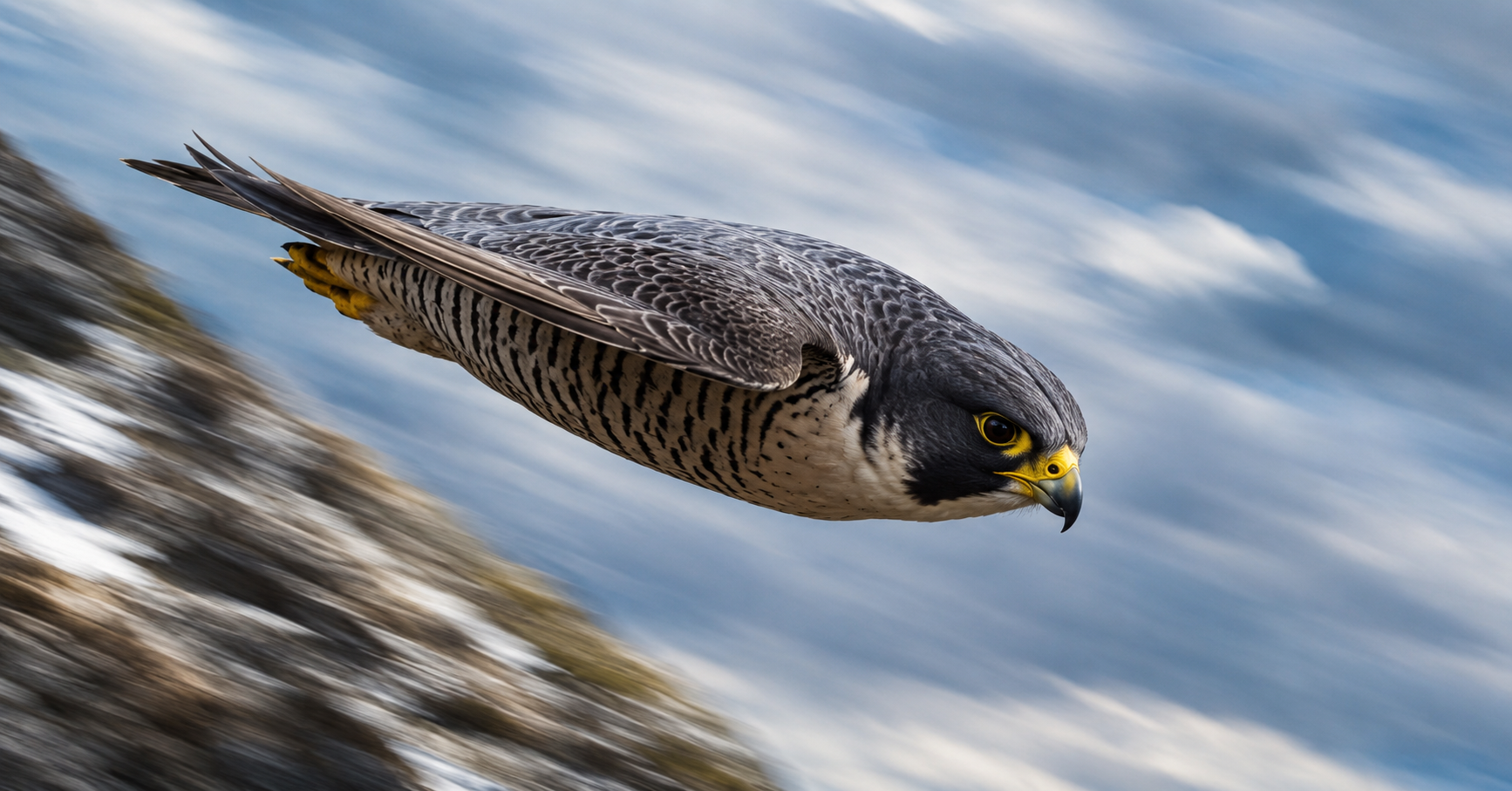
9. Peregrine Falcon - The Speed Champion
Peregrine falcons are fastest when they hunt in a steep dive called a stoop, not when cruising in level flight. Cornell Lab reports that a peregrine may reach about 200 mph while dropping toward prey from high above. Pointed wings and precise control help. That upper figure is a diving speed, not a typical flight speed.
Adaptations, Not Magic
These animals with real superpowers show what evolution can accomplish through useful, real-world solutions. Regeneration, camouflage, speed, and chemical defense all help animals survive, hunt, avoid danger, or reproduce in particular settings. Their abilities work because of tradeoffs as well as strengths: energy costs, environmental conditions, and physical limits still apply. If you enjoy these questions, explore 10 Things Science Still Can't Explain and 10 Strange Facts About the Human Body You Won't Believe.
Sources
- NCBI - Axolotl limb regeneration
https://pubmed.ncbi.nlm.nih.gov/27499868/ - Smithsonian Zoo - Electric eel
https://www.nationalzoo.si.edu/animals/electric-eel - NCBI - Tardigrade cryptobiosis
https://pubmed.ncbi.nlm.nih.gov/21251237/ - Georgia Tech / PNAS - Gecko adhesion study
https://sponberg.gatech.edu/wp-content/uploads/2015/12/Autumn_et_al_gecko_vdw_2002.pdf - Duke Patek Lab - Mantis shrimp mechanics
https://pateklab.biology.duke.edu/research/mechanics-of-ultrafast-movement/mechanics-of-movement-mantis-shrimp/ - NCBI - Bombardier beetle defensive chemistry
https://pubmed.ncbi.nlm.nih.gov/30660089/ - Smithsonian Ocean - Octopus camouflage
https://ocean.si.edu/ocean-life/invertebrates/how-octopuses-and-squids-change-color - NCBI - Archerfish motor adaptation
https://pubmed.ncbi.nlm.nih.gov/38829209/ - Cornell Lab - Peregrine Falcon
https://www.allaboutbirds.org/guide/Peregrine_Falcon